Hey everyone, if you’re running a coating machine operation, I know drying time is probably one of your biggest headaches. I’m Jake, part of the team that builds and supplies coating machines—so I get it. A slow drying process doesn’t just slow down production; it jacks up energy bills, wastes material, and leaves you falling behind on orders. After working with dozens of shops over the years, I’ve seen what actually works to shave those drying times without messing up the quality of your finish. Let’s break this down, no jargon, just real stuff that’s moved the needle for our customers. Coating Machine
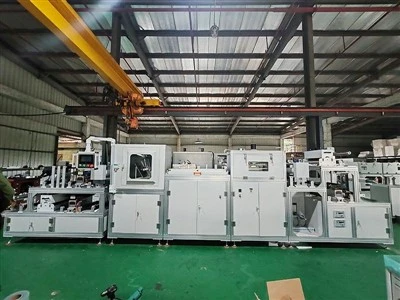
First off, let’s start with the basics: heat transfer is the name of the game here. Your coating has to turn from wet to dry, and that means moving heat into the wet film and pulling the solvent or water out. A lot of people miss this small detail—your drying oven’s airflow. If the air inside isn’t circulating right, you’re basically heating the same stagnant air over and over, which takes forever. Think about it: when you blow on a hot drink to cool it down, you’re moving the humid air away so fresh, drier air can take its place. Same logic applies to your coating machine.
We’ve had customers swap out old, weak fans for variable-speed centrifugal blowers on their coating lines, and they cut drying time by 20-30% almost immediately. Wait, variable speed is key here—you don’t need full blast when you’re working with thinner coats or water-based coatings, but crank it up for thicker films or solvent-based stuff. Another trick: position the fans so they blow directly across the coating surface, not just straight down. That breaks the “boundary layer” of moist air that forms right on top of the wet coating, which is the biggest reason drying slows down. No boundary layer = faster evaporation. Simple, but way more effective than just cranking the oven temperature.
Speaking of temperature—don’t just crank up the heat willy-nilly. A common mistake is thinking “hotter = faster,” but too much too soon can cause problems. If you blast a wet coating with super high heat right out the gate, the surface dries first, forming a skin that traps the solvent underneath. That means you’re not getting a full dry coat, and you’re still stuck waiting for the trapped solvent to escape later. It’s called “case hardening,” and it’s a nightmare for quality.
Instead, use a staged drying setup. Most of our standard coating machines let you adjust temperature zones, right? Start with a low-temperature zone (10-20°F above the coating’s drying threshold) to let the solvent start to evaporate gently without forming that skin. Then ramp up the heat in the next zones to speed things up, and finish with a cool-down zone to set the coat properly. We had a customer doing automotive parts go from 12 minutes drying time to 7 minutes just by switching from single-zone heat to this three-stage setup—no quality issues, no extra energy use because they weren’t wasting heat on empty space.
Next up: material prep. You can have the best coating machine in the world, but if your coating is too viscous or has the wrong solvent, drying time will drag. A lot of shops cut corners here to save money, but it ends up costing them more in the long run. For example, if you’re using a solvent-based coating, pick a solvent with a higher evaporation rate that’s still compatible with your base material. We worked with a metal fabricator who was using a slow-evaporating solvent just because it was cheaper; swapping to a fast-evaporating but equally safe solvent cut their drying time by 25%, and they didn’t notice any difference in finish quality.
Also, make sure you’re thinning the coating correctly. Too thick a coat means more solvent to evaporate, so you can’t rush that. Most coatings will tell you the recommended viscosity range for your machine—stick to it. We’ve had customers add too much thinner to “save” on coating material, which actually makes drying time longer because you’re adding more solvent to begin with. Balance is key here. Oh, and filter your coating regularly—clumps or contaminants can cause uneven drying too, which might make you have to run the line slower to fix issues.
Then there’s the transport speed of your coating line. Wait, that’s tied directly to drying time, right? If your line is moving too fast, the coating doesn’t spend enough time in the oven to dry. But if you can adjust the line speed with the drying zones, you can maximize output. Let’s say your oven is 20 feet long. If each zone’s temperature and airflow is calibrated, you can run the line at 10 feet per minute instead of 5, and still get a fully dry coat. The key here is matching line speed to the drying capacity, not just guessing. Our coating machines come with sensors that measure coating moisture in real time, so you can automate this—no more manually adjusting speed and crossing your fingers. One customer with a wood coating line went from 100 pieces an hour to 180 just by tweaking line speed with their oven’s drying zones.
Another thing people sleep on: oven maintenance. If your oven has leaky seals, or the insulation is worn out, you’re losing heat. That means you have to run the oven hotter to make up for it, which uses more energy and still takes longer to dry. We check insulation on every machine we sell, but for existing machines, make sure you’re sealing any gaps around the entry/exit points of the line, and replacing damaged insulation every 2-3 years. Also, clean the oven’s air filters regularly—clogged filters mean less airflow, which goes back to that boundary layer problem we talked about earlier. A customer of ours who skipped filter cleaning had their airflow drop by 40%, so their drying time jumped from 8 minutes to 12. A $20 filter change fixed that in 5 minutes.
What about if you’re using UV coatings? Oh, that’s a whole other beast, but the same logic applies. If you’re not using the right UV lamp intensity, or the lamp is old, curing (which is basically drying for UV) takes way longer. We supply UV lamps that are calibrated for our coating machines, and we recommend replacing them every 12 months, even if they still turn on. Old lamps don’t emit the right wavelength, so the coating cures slowly and unevenly. Also, make sure the UV lamps are positioned directly above the coating surface—shadows mean some parts get less light, so you have to run the line slower. That’s an easy fix: adjust lamp height and angle so every inch of the coating gets equal exposure.
Wait, let’s talk about common myths. I hear all the time: “I need to run my oven at max temp to dry faster.” No, like I said earlier, that causes case hardening. Or “airflow is just for ventilation, not for drying.” Big nope—airflow is half the battle. Another one: “higher line speed = higher output, so just crank it.” No, because if the coating isn’t dry, you’ll have to rework parts, which slows you down way more than slowing the line a little to get a full dry coat. It’s a balance.
Now, for the big picture: all these tips work best when your entire coating system (machine, coating, oven setup) is designed to work together. That’s why a lot of our customers come to us with old machines that they’ve tried to tweak, and it doesn’t work—because the machine wasn’t built to handle their specific coating. For example, if you’re doing water-based coatings, you need a different oven setup than someone doing solvent-based, because water evaporates at a lower temp but needs more airflow. If you’re working with thin films for electronics, you need precise temperature control to avoid damaging the substrate.
So where do you start? If you’re already using a coating machine, first check the basics: airflow, filter condition, insulation leaks. Then look at your coating’s viscosity and solvent type. If you’re buying a new machine, talk to your supplier about their drying zone setup, not just the coating applicator. At the end of the day, shortening drying time isn’t about cutting corners—it’s about optimizing the process so you use energy and time more efficiently.
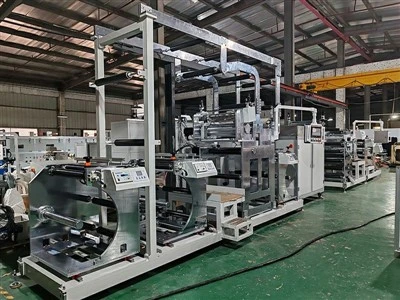
I’ve seen too many shops struggle with this, thinking it’s a mystery, but it’s not. Small, actionable changes add up fast. If you’re tired of waiting for your coatings to dry, or you’re looking to upgrade your machine to speed up production, reach out to our team. We work with shops of all sizes, from small job shops to big manufacturing facilities, and we can help you tailor a setup that cuts your drying time without sacrificing quality. Don’t let slow drying hold you back from filling orders and making more profit—let’s chat about how we can help.
Laboratory Equipment References:
- Technical Guide to Coating Drying Processes, International Coating Federation, 2022
- “Optimizing Heat Transfer in Industrial Ovens,” Journal of Manufacturing Processes, Vol. 45, 2020
- Field Study of Line Speed and Coating Cure Efficiency, Industrial Coating Association, 2021
- UV Coating Curing Best Practices, Surface Finishing Magazine, 2023
Dongguan Innate Intelligent Technology Co., Ltd.
With abundant experience, we are one of the most professional coating machine manufacturers in China. With a professional production team, we are able to meet the needs of the majority of our customers. Please feel free to buy advanced coating machine made in China here from our factory. Customized orders are welcome.
Address: Room 201, Building 4, No. 92, Fenghuang Road, Dalingshan Town, Dongguan City, Guangdong Province
E-mail: 13316631159@163.com
WebSite: https://www.getinnater.com/
