If you’re reading this, chances are you’re in the market for car cover fabric—whether you’re looking to launch a line of custom covers for local auto shops, restock inventory for your small business, or even tackle a home project to make covers for your own fleet. As someone who’s been in the car cover fabric supplier space for over a decade, I’ve heard every possible question about sourcing this stuff, from “Is there a fabric that withstands Arizona sun?” to “How do I know I’m not buying cheap stuff that falls apart after three months?” The short answer is that where you buy car cover fabric depends on two big things: what you need the fabric to do, and how much you’re looking to order. But let’s break this down like we’re sitting at my workshop table, not a stuffy supplier sales sheet, so you can figure out exactly where to go and what to look for. Car Cover Fabric

First, let’s get one thing straight: not all car cover fabric is the same. I’ve seen hobbyists pick up generic outdoor fabric from a big-box store and wonder why their finished cover starts peeling the first time it rains. Car cover fabric isn’t just any fabric that can get wet or sunny—it’s engineered specifically for cars. It needs to be breathable so moisture from condensation under the cover doesn’t turn your paint into a mold factory, UV-resistant to stop the sun from fading the paint through the cover, tear-resistant enough to handle being pulled over sharp bumper edges, and soft enough so it doesn’t scratch clear coats. That’s why sourcing from a place that sells fabric made for car covers (not just general outdoor use) is non-negotiable if you care about quality.
Let’s start with the most accessible option for small orders: online specialty fabric marketplaces. Think of sites that cater to seamstresses, custom auto parts makers, and small businesses that build their own car covers. A lot of new buyers head straight to Amazon or Etsy, and sure, there are some legitimate sellers there, but you have to read reviews super carefully. I’ve had customers come to me after ordering fabric from a random Amazon seller who advertised “heavy-duty car cover fabric” only to get fabric that’s thinner than a bedsheet and starts fraying within two uses. On Etsy, look for sellers who specifically mention their fabric is tested for automotive use, not just patio furniture. The downside here is usually minimum order quantities (MOQs) are low, like a yard or two, which is perfect if you’re making one or two covers for personal use or a small side hustle. The upside is you can order samples from most of these sellers before committing, which I always recommend. Never buy a whole roll without testing a small piece first—hold it up to the light, rub it between your fingers, get it wet and see how it dries, leave it out in the sun for a week to check if it fades.
Next, if you’re a small to mid-sized business looking to buy in bulk, online industrial fabric suppliers are a great middle ground. These are suppliers that specialize in technical textiles, not just retail fabric, and they stock a range of car cover-specific fabrics: from basic polyester blends for economy covers to premium marine-grade vinyl and non-woven polypropylene for UV protection. Places like these often have MOQs starting at 50 yards, which is enough to make 15-20 standard size car covers, so it’s a step up from the one-off orders on Etsy but not so big that you’re stuck with hundreds of yards if you’re just getting started. The best part about these suppliers is they usually provide product data sheets that tell you exactly what the fabric is rated for: UV resistance (look for UPF 50+ as a minimum), waterproof rating (if you need water resistance), breathability (look for a rating that mentions moisture vapor transmission rate), and tear strength. When I started out, I used to source from these types of suppliers too—they let me order samples for a small fee, and their customer service team actually knew what they were talking about, not just reciting sales scripts. The downside is that you might not get custom colors or finishes right away, and lead times can be a week or two, so plan ahead if you have a deadline.
Now, if you’re a larger operation—you run a chain of auto detail shops, you sell custom covers online, or you’re a distributor to smaller businesses—working directly with a car cover fabric manufacturer is your best bet. This is where I come in, honestly. I’ve been on the manufacturer side for 12 years, and I can tell you that buying direct cuts out the middleman, which means you get lower prices, custom orders, and faster turnaround. When you work directly with a manufacturer, you don’t have to settle for standard sizes or colors. If you need a fabric that’s resistant to salt air for coastal clients, or a fabric with a specific water repellent finish for snow regions, they can tweak the formula for you. MOQs here will be higher, usually starting at 500 yards, but for a business that’s moving hundreds of covers a month, that’s nothing. Another big plus: manufacturers will often work with you to test your prototypes. If you’re making a new line of covers for classic cars, they can send you sample swatches tailored to the specific needs of vintage paint jobs—softer fabrics that won’t scratch, but still durable enough to store outside. I’ve had a client who makes covers for 1960s Corvettes come to us, and we helped them develop a custom microfiber-poly blend that’s 30% softer than standard economy fabric, but still blocks 98% of UV rays. That’s the kind of thing you can’t get from a general online supplier.
Wait, but what about brick-and-mortar fabric stores? I know a lot of small business owners still prefer to see and touch fabric before ordering, and that’s totally fair. Some local industrial fabric stores have swatches of car cover fabric, especially if they cater to auto parts makers or boat repair shops (since boat cover fabric is similar, though not exactly the same). If you have a specialty textile store in your area, call ahead first and ask if they stock automotive-grade car cover fabric, not just outdoor canvas. A lot of general fabric stores only carry cotton or polyester blends that aren’t engineered for cars, so don’t waste a trip. If they do have swatches, test them the same way I mentioned earlier: hold it up to the light, rub it, check for any loose threads, and ask if they have any product data about UV or tear resistance. The downside here is selection is limited, and prices are usually higher because they have overhead, so it’s best for small, one-off orders rather than bulk.
Now, let’s talk about a few red flags to watch out for when sourcing car cover fabric, no matter where you buy it. First, if a seller won’t give you any product specifications—runs for the hills. Any reputable supplier can tell you the UV rating, fabric composition, and what it’s tested for. If they just say “heavy duty” or “waterproof” with no numbers, that’s a red flag. Second, if the price seems too good to be true. A yard of decent car cover fabric is usually between $3 and $10, depending on the grade. If a seller is charging $1 a yard, it’s probably thin, fades fast, and will scratch your paint. I’ve seen people buy that cheap stuff and end up having to repaint their car because the fabric’s coating wore off and scratched the clear coat. Third, ignore listings that say “universal fit fabric” for covers. Car cover fabric is engineered for different uses: indoor car covers use lighter, softer non-woven fabric, outdoor covers need UV-resistant woven polyester or vinyl, and all-weather covers need waterproof breathable fabric. Using indoor fabric for an outdoor cover will turn your car into a moldy mess, and using heavy outdoor fabric for indoor storage will scratch your paint.
Let me share a quick story that stuck with me from a few years back. A guy came to my shop last year, he owned a small auto parts shop in Florida, and he’d been buying fabric from a big-box home improvement store for his custom covers. He told me that within a year, 20% of his customers came back complaining that their covers had torn or faded, and some even said the fabric had left fine scratches on their new cars. He’d been paying $1.50 a yard for that big-box fabric, and when he switched to our mid-grade outdoor fabric, which was $4.25 a yard, his complaint rate dropped to less than 2% and his sales went up because customers were more satisfied. That’s the difference between generic outdoor fabric and actual car cover fabric. The small upfront difference in fabric cost pays off in happy customers and repeat business.
So, to wrap this up, where you buy car cover fabric really comes down to your order size and your needs:
- One-off orders for personal use or small side hustles: Online specialty fabric marketplaces (Etsy, niche craft sites) where you can order samples.
- Small to mid-sized bulk orders for your small business: Online industrial textile suppliers that specialize in technical fabrics, with low MOQs and data sheets.
- Mid to large bulk orders, custom fabric needs, or distributor work: Directly from a car cover fabric manufacturer, like my team.
- If you prefer in-person checks: Local specialty textile stores that cater to auto or boat repair, but call ahead to confirm they have the right product.
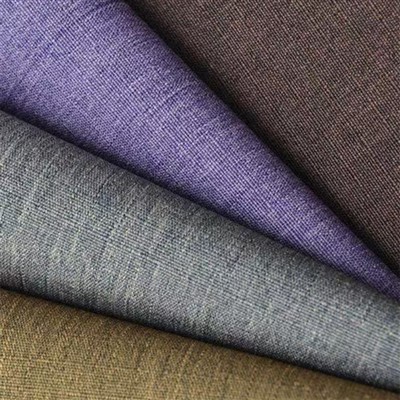
At the end of the day, the best place to buy car cover fabric is a supplier that understands what you need it for, provides transparent product information, and lets you test before you commit. If you’re ready to source fabric for your line of covers, have questions about fabric types, or want to discuss custom options, feel free to reach out to our team to chat through your needs. We don’t do generic sales pitches—we sit down with every customer to figure out what fabric will work best for their specific use case, whether they’re making covers for a single classic car or a line of 500 custom all-weather covers. Don’t waste time on low-quality fabric that will hurt your reputation or damage your customers’ cars. Source right, and your business will grow.
Poncho Fabric References
- Textile Institute. (2021). Technical Textiles for Automotive Applications: Performance Standards and Testing Methods.
- Society of Automotive Engineers. (2019). Guide to Materials for Exterior Vehicle Protective Covers.
- Outdoor Industry Association. (2020). UV Resistance Ratings for Fabrics: Industry Best Practices for Technical Textile Labeling.
- American Boat and Yacht Council. (2018). Comparison of Marine-Grade and Automotive-Grade Textiles for Vehicle Protection.
Wujiang Jiashunxin Spray Weaving Co., Ltd.
As one of the most professional car cover fabric manufacturers and suppliers in China, we’re featured by quality products and good service. We warmly welcome you to wholesale bulk customized car cover fabric from our factory. If you have any enquiry about free sample, please feel free to email us.
Address: Xingli New Village, Lili Town, Wujiang District, Suzhou City, Jiangsu Province
E-mail: xuzhiqiang20260525@163.com
WebSite: https://www.shunbangfabric.com/
