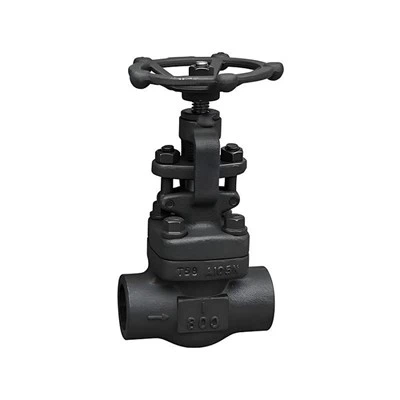
As a seasoned provider of butterfly valves, I often encounter inquiries regarding the emergency shutdown capabilities of these essential industrial components. In this blog, I aim to delve into the intricacies of what the emergency shutdown capability of a butterfly valve truly entails, exploring its significance, working mechanisms, and practical applications. Butterfly Valve
Understanding the Significance of Emergency Shutdown
In industrial settings, emergencies can occur unexpectedly, ranging from pipeline leaks and system overpressures to fire outbreaks. The ability to rapidly and effectively shut off the flow of fluids or gases is crucial to prevent further damage, ensure safety, and protect valuable assets. This is where the emergency shutdown capability of a butterfly valve comes into play.
A well-designed butterfly valve with emergency shutdown functionality can act as a failsafe mechanism, allowing operators to quickly isolate sections of a pipeline or process system in the event of an emergency. By interrupting the flow, it helps to contain the problem, minimize the release of hazardous substances, and mitigate the risk of accidents or environmental disasters.
Working Mechanisms of Emergency Shutdown Butterfly Valves
Emergency shutdown butterfly valves typically operate based on a combination of mechanical, pneumatic, or electric actuators, along with control systems that can be triggered manually or automatically. Let’s explore the different types of actuators commonly used in emergency shutdown applications:
Manual Actuators
Manual actuators provide a simple and reliable means of operating a butterfly valve in emergency situations. They typically consist of a handwheel or lever that can be turned or pulled to open or close the valve. While manual operation is straightforward, it requires direct physical access to the valve, which may not be feasible in some situations, especially in large or inaccessible installations.
Pneumatic Actuators
Pneumatic actuators use compressed air to drive the opening and closing of the butterfly valve. They offer fast and reliable operation, making them suitable for emergency shutdown applications where quick response times are critical. Pneumatic actuators can be configured to operate in either a failsafe open or failsafe closed position, depending on the specific requirements of the system. In a failsafe scenario, the valve will automatically return to its pre-set position in the event of a loss of air pressure or power.
Electric Actuators
Electric actuators utilize an electric motor to drive the valve, offering precise control and the ability to integrate with automated control systems. They are capable of providing high torque and can be programmed to operate at specific speeds and positions. Electric actuators are often preferred in applications where remote operation or integration with a larger control network is required. Similar to pneumatic actuators, electric actuators can be designed to operate in a failsafe mode, ensuring that the valve closes or opens automatically in the event of a power failure.
Key Features for Effective Emergency Shutdown
To ensure optimal performance during emergency shutdown situations, butterfly valves should incorporate several key features:
Quick Closing Time
A fast closing time is essential for minimizing the flow of fluids or gases in the event of an emergency. The valve should be able to close within a specified time frame, typically ranging from a few seconds to a minute, depending on the application requirements.
Tight Shut-Off
A tight shut-off is crucial for preventing leaks and ensuring the integrity of the system. The valve should be designed to provide a reliable seal when in the closed position, even under high pressures or extreme operating conditions.
Fail-Safe Operation
As mentioned earlier, failsafe operation is a critical feature of emergency shutdown butterfly valves. The valve should be able to automatically return to a pre-set position, such as fully open or fully closed, in the event of a power failure, loss of air pressure, or other system malfunctions.
Robust Construction
Emergency shutdown valves are often subjected to harsh operating conditions, including high pressures, temperatures, and corrosive environments. Therefore, they should be constructed from high-quality materials and designed to withstand these challenges. The valve body, disc, and seals should be made from materials that are resistant to corrosion, erosion, and wear.
Practical Applications of Emergency Shutdown Butterfly Valves
Emergency shutdown butterfly valves find applications in a wide range of industries, including oil and gas, chemical processing, water treatment, and power generation. Here are some common examples:
Oil and Gas Pipelines
In the oil and gas industry, emergency shutdown butterfly valves are used to isolate sections of pipelines in the event of a leak or rupture. They can be installed at strategic locations along the pipeline, such as at pump stations, compressor stations, and pipeline junctions, to quickly shut off the flow of oil or gas and prevent further damage.
Chemical Processing Plants
Chemical processing plants often handle hazardous substances that require strict safety measures. Emergency shutdown butterfly valves are used to control the flow of chemicals in pipelines and process vessels, allowing operators to quickly isolate equipment in the event of a leak or other emergency situation.
Water Treatment Facilities
In water treatment facilities, emergency shutdown butterfly valves are used to regulate the flow of water and chemicals in various processes, such as filtration, disinfection, and sludge handling. They can be used to shut off the flow of water in the event of a system failure or contamination, preventing the spread of pollutants and ensuring the quality of the treated water.
Power Generation Plants
Power generation plants, including thermal, nuclear, and hydroelectric plants, rely on emergency shutdown butterfly valves to control the flow of steam, water, and other fluids in the power generation process. These valves are used to protect the equipment from damage, prevent accidents, and ensure the safe and reliable operation of the power plant.
Conclusion
The emergency shutdown capability of a butterfly valve is a critical feature that plays a vital role in ensuring the safety and reliability of industrial processes. By providing a fast, reliable, and failsafe means of shutting off the flow of fluids or gases, these valves help to prevent accidents, minimize damage, and protect the environment.
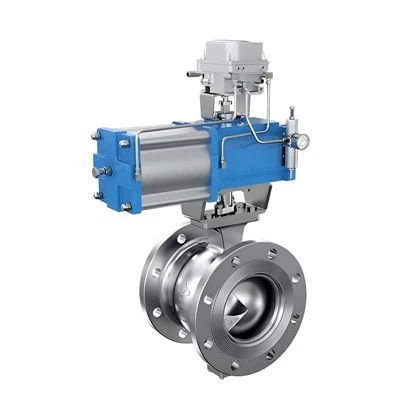
As a trusted provider of butterfly valves, we understand the importance of delivering high-quality products that meet the specific needs of our customers. Our emergency shutdown butterfly valves are designed and manufactured to the highest standards, incorporating the latest technologies and features to ensure optimal performance in even the most demanding applications.
Ball Valve If you are in need of emergency shutdown butterfly valves for your industrial facility, we invite you to contact us to discuss your requirements. Our team of experts is available to provide you with personalized advice, technical support, and competitive pricing. Let us help you find the perfect solution for your emergency shutdown needs.
References
- "Valve Handbook: Principles and Applications", by G.W. Buckley.
- "Industrial Valves: Selection and Sizing", by J. Paul Tullis.
- "Butterfly Valves: Design, Selection, and Application", by the Valve Manufacturers Association.
Wuxi PYNOS Flow-tech Co., Ltd.
As one of the leading butterfly valve manufacturers and suppliers in China, we offer a wide range of products with superior quality. We warmly welcome you to buy high quality butterfly valve made in China here from our factory. We also accept customized orders.
Address: Sales Center: 7th Floor, No.19 Qingyuan RD, Wuxi City, Jiangsu Prov., China
E-mail: Info@pynosvalve.com
WebSite: https://www.pynosvalves.com/
