Hey there! I’m a supplier of fuel tank trailers, and I know how crucial it is to have top – notch braking performance for these trailers. In this blog, I’m gonna share some tips on how to improve the braking performance of a fuel tank trailer. Fuel Tank Trailer
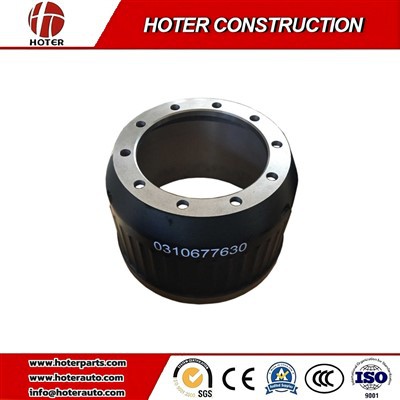
First off, let’s talk about the basics. The brake system of a fuel tank trailer is a complex setup that includes components like brake pads, rotors, calipers, and the brake fluid. All these parts work together to slow down or stop the trailer.
One of the most important things is to choose the right brake pads. There are different types of brake pads available in the market, such as ceramic, semi – metallic, and organic. Ceramic brake pads are great because they produce less dust, have a long lifespan, and offer good braking performance even under high temperatures. Semi – metallic brake pads are also popular. They are more durable and can handle heavy loads well. Organic brake pads are softer and quieter, but they may wear out faster. As a fuel tank trailer supplier, I always recommend ceramic or semi – metallic brake pads for their reliability and performance.
Next up is the brake rotors. The rotors play a key role in the braking process. They are the discs that the brake pads clamp down on to slow the trailer. Over time, rotors can wear out, develop grooves, or become warped. When this happens, the braking performance can be seriously affected. You should regularly inspect the rotors for signs of wear. If they are worn beyond a certain point, it’s time to replace them. A good quality rotor will have a smooth surface and be made of high – grade materials. This ensures better heat dissipation and more consistent braking.
The brake calipers are another vital part. These are the components that hold the brake pads and apply pressure to the rotors. If the calipers are not working properly, the brakes won’t function as they should. You need to check the calipers for leaks, corrosion, or any signs of damage. Sometimes, the caliper pistons can get stuck, which can lead to uneven braking. In such cases, you may need to clean or rebuild the calipers.
Brake fluid is like the lifeblood of the brake system. It transfers the force from the brake pedal to the brake components. Over time, brake fluid can absorb moisture, which can lower its boiling point and reduce its effectiveness. You should change the brake fluid regularly, usually every two years or as recommended by the trailer manufacturer. Using high – quality brake fluid is essential. It should have a high boiling point to prevent vapor lock, which can cause the brakes to fail.
Now, let’s talk about maintenance. Regular maintenance is the key to keeping the braking system in top shape. You should perform a visual inspection of the brake system at least once a month. Check for any loose parts, leaks, or signs of wear. Make sure the brake lines are in good condition and there are no cracks or kinks.
Adjusting the brakes is also important. As the brake pads wear, the gap between the pads and the rotors can increase. This can lead to a longer braking distance. You need to adjust the brakes to ensure that they are working at their best. Some trailers have self – adjusting brakes, but it’s still a good idea to double – check.
Another factor that can affect braking performance is the weight of the fuel tank trailer. A fully loaded trailer will require more braking force than an empty one. You need to make sure that the braking system is designed to handle the maximum weight of the trailer when it’s full. If you’re carrying a heavier load than usual, you may need to be extra cautious and allow for a longer braking distance.
Tire condition also plays a role in braking. Worn – out or under – inflated tires can reduce traction, which in turn affects the braking performance. You should regularly check the tire pressure and the tread depth. Make sure the tires are properly inflated and have enough tread to grip the road.
In addition to these mechanical aspects, driver behavior can also impact braking performance. A driver who brakes suddenly or aggressively can put more stress on the brake system. Encouraging smooth and gradual braking can help extend the life of the brakes and improve overall safety.
Now, let’s talk about some advanced technologies that can enhance braking performance. Anti – lock Braking System (ABS) is a great example. ABS prevents the wheels from locking up during braking, which helps maintain steering control and reduces the stopping distance. Many modern fuel tank trailers are equipped with ABS, and it’s definitely a feature worth considering if your trailer doesn’t have it already.
Electronic Stability Control (ESC) is another useful technology. It helps keep the trailer stable during braking and cornering. ESC can detect when the trailer is starting to skid or lose control and automatically applies the brakes to individual wheels to correct the situation.

If you’re looking to improve the braking performance of your fuel tank trailer, don’t hesitate to reach out. As a fuel tank trailer supplier, I have a wealth of experience and can offer you the best solutions for your braking needs. Whether it’s choosing the right brake components, performing maintenance, or upgrading to advanced technologies, I’m here to help. So, if you’re in the market for a fuel tank trailer or need to improve the braking performance of your existing one, let’s have a chat. We can discuss your specific requirements and come up with a plan that works for you.
Wheel Hub References:
- Automotive Brake Systems Handbook
- Trailer Maintenance Guide
Zhangzhou Hoter Construction Machinery and Parts Co., Ltd.
As one of the most professional fuel tank trailer manufacturers and suppliers in China, we’re featured by quality products and good price. Please rest assured to wholesale high-grade fuel tank trailer for sale here from our factory. Contact us for more details.
Address: No. 3/4-41, Ziwei Road, Longhai, Zhangzhou city, Fujian province, China
E-mail: info@hoterparts.com
WebSite: https://www.hoterparts.com/
